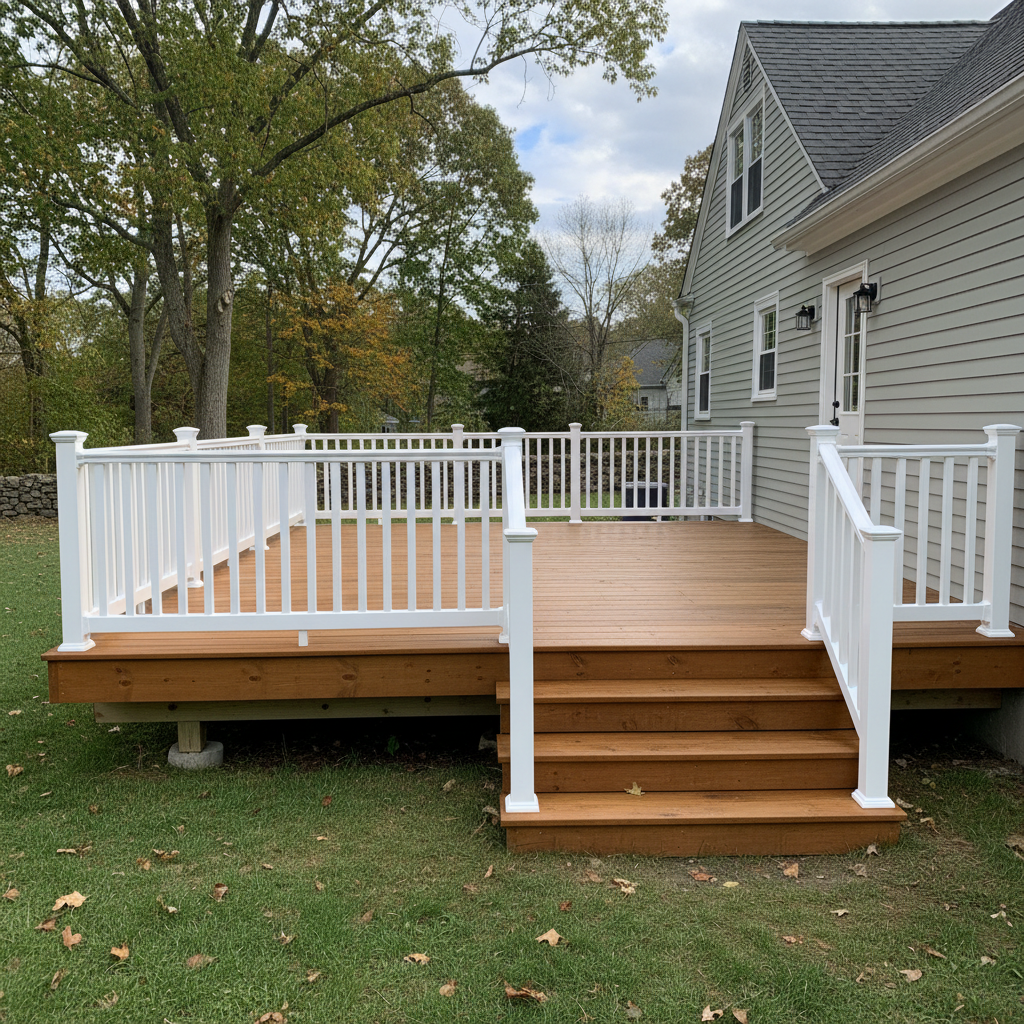
You want your deck to look good, right? Of course you do. But here in Cranston, just slapping on some stain or paint whenever you feel like it isn't going to cut it. Our New England weather, especially that damp air rolling off Narragansett Bay, really dictates when you should tackle that deck project if you want the finish to actually last.
When's the Best Time to Stain or Paint Your Deck?
Honestly, it's all about finding that sweet spot. You're looking for a window where it's not too hot, not too cold, and definitely not too wet. For us, that usually means late spring or early fall. Think May into early June, or September into early October. Why those times?
- Temperature: Most stains and paints work best when you put them on in temperatures between 50 and 85 degrees Fahrenheit. If it's too cold, the product won't cure right; too hot, and it'll dry too fast. That leads to uneven application, brush marks, and poor adhesion. Nobody wants that.
- Humidity: This is a big one for us around here. High humidity, like what we often get in July and August, can really slow down drying times. This leaves your deck open to dust, pollen, and even bugs getting stuck in the wet finish. It also increases the risk of mildew forming under the coating. You'll see this especially in shadier spots, like decks tucked away in neighborhoods like Garden City where mature trees block a lot of sun.
- Sunlight: Direct, intense sunlight can make the deck surface too hot. This causes the stain or paint to dry too quickly, leading to lap marks and poor penetration. Try to schedule your work for a cloudy day, or plan to work when the deck is in the shade. Early morning or late afternoon is often ideal.
Before you even think about opening a can, make sure your deck is clean and dry. I mean bone dry. If you've just power washed it, give it at least 2-3 sunny days to completely dry out. Any moisture trapped in the wood will cause your new finish to peel or bubble down the line. It's a waste of time and money, and nobody wants that.
Weather Conditions That'll Ruin Your Day (and Your Deck)
I've seen it too many times. Homeowners get eager, the weekend comes, and they just go for it, rain or shine. Don't be that homeowner. Seriously, don't.
- Rain: This one's obvious, right? Don't stain if rain is in the forecast for the next 24-48 hours. Even a light drizzle can wash away uncured stain or leave unsightly water spots. Check the forecast religiously.
- Heavy Dew: Just like rain, heavy morning dew can mess things up. If you're working early, make sure the deck surface is completely dry before you start.
- Wind: A breezy day feels nice, but too much wind can blow dust, leaves, and other debris onto your wet finish. Plus, it can make spray applications difficult and cause paint to dry too fast.
- Extreme Temperatures: We already touched on this, but it bears repeating. Don't try to stain your deck when it's freezing or when it's a scorching 95 degrees. You're just asking for trouble.
When we're doing a job for All Things Decks, we're constantly checking the forecast and adjusting our schedule. It's just part of doing things right.
Protecting Your Deck Investment Year-Round
Once you've got that fresh coat on, you're not done. Protecting your deck is an ongoing commitment, especially with our tough winters and humid summers.
- Clean Regularly: Sweep off debris, leaves, and dirt frequently. Don't let organic matter sit on the deck, as it can trap moisture and encourage mold and mildew growth.
- Inspect Annually: Take a good look at your deck every spring and fall. Check for any peeling, cracking, or fading. Address small issues before they become big problems. Look for loose fasteners, splintering wood, or areas where water might be pooling.
- Keep it Clear: Don't let planters, mats, or furniture sit in one spot for too long without moving them. These can trap moisture and create dark spots or mildew. Lift them up and let the deck breathe.
- Winter Prep: Before the snow flies, give your deck a good cleaning. Remove all furniture and anything that can trap moisture against the wood. If you're shoveling snow off your deck, use a plastic shovel and be careful not to scrape the surface. Better yet, let the snow melt naturally if possible.
- Reapply as Needed: Depending on the product you used and how much sun and weather your deck gets, you'll need to reapply stain or sealer every 1-3 years. Paint might last a bit longer, maybe 3-5 years. Don't wait until it looks terrible; catch it when it's just starting to show wear.
Taking care of your deck isn't rocket science, but it does require a little thought and planning, especially when it comes to our Cranston climate. A little proactive maintenance goes a long way in keeping your outdoor space looking great and lasting for years.