Homeowners in Oaklawn or over near Edgewood often walk out onto their deck and notice a board that feels a bit too spongy under foot. Property owners in Cranston, RI are not alone in this experience. Between humid Rhode Island summers and brutal freeze-thaw cycles every winter, outdoor structures take a heavy beating in the local climate. All Things Decks has spent many years fixing up outdoor spaces across Providence County. Figuring out what you can tackle yourself versus what requires a professional can save you money and prevent major headaches.
What You Can Realistically DIY
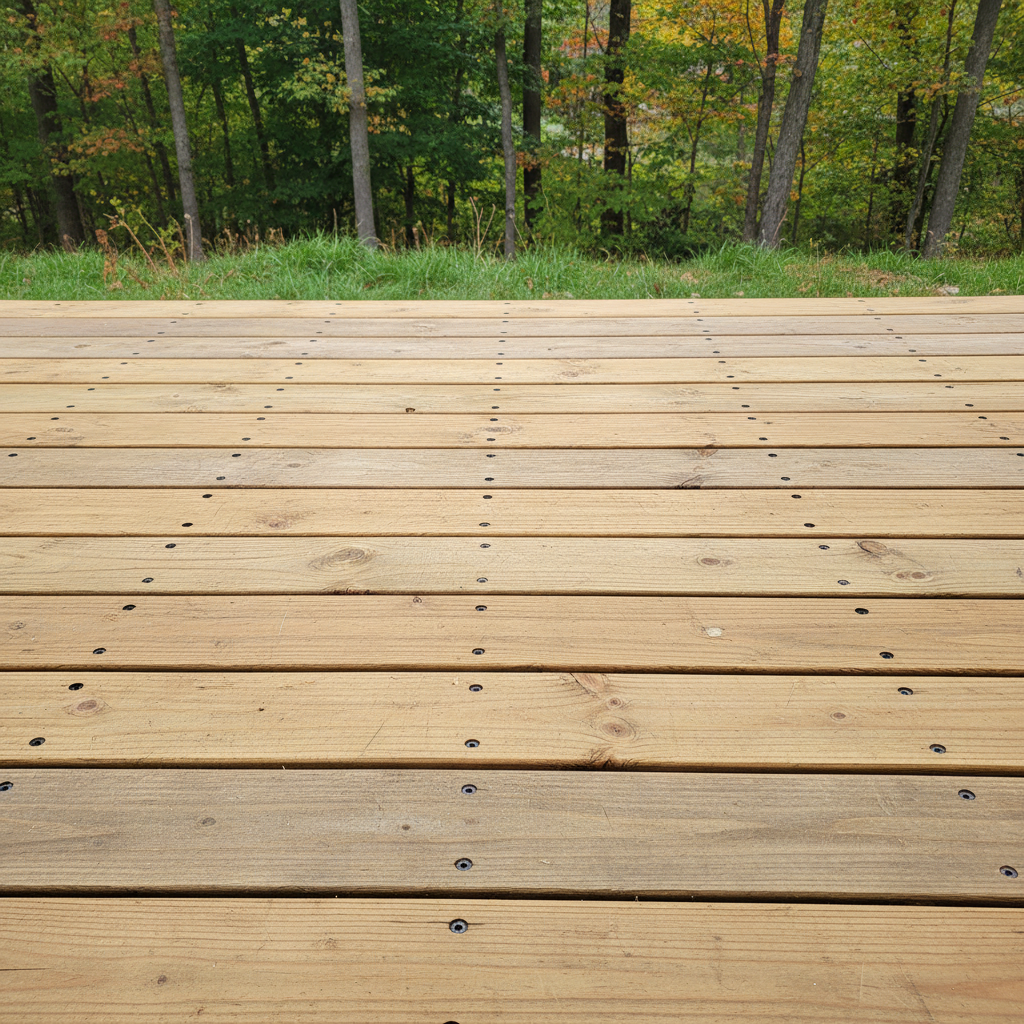
If you have a free Saturday and some basic tools, you can easily knock out minor maintenance and cosmetic fixes. Swapping out a warped or splintered decking board is totally doable. Just unscrew the old one, measure twice, cut a replacement piece of pressure-treated lumber or composite to fit, and screw it down securely with coated deck screws.
Tightening loose railings and hammering back popped nails or driving in replacement deck screws is another weekend project you do not need to hire out for. Power washing away winter grime and applying a fresh coat of sealer or stain is also right in the wheelhouse of most handy homeowners. Just make sure the wood is completely dry before you roll anything on.
When to Call a Professional
The moment a repair crosses over from surface-level cosmetics to anything structural, you need to put down the drill and call someone who does this full-time. If your ledger board, which is the part attaching the deck to your house, is pulling away or showing signs of water rot, that is an immediate safety hazard. All Things Decks has seen DIY fixes gone wrong where homeowners tried to sister joists themselves without proper flashing, leading to massive rot inside the home rim joist.
Posts that are sinking, stairs wobbling at the stringers, or any widespread soft rot throughout the framing skeleton mean it is time to bring in All Things Decks. Structural repairs require precise temporary shoring, heavy-duty hardware, and code compliance that protects your family and your property value.
Before, During, and After the Project
Before you start any wrenching or sawing, do a thorough inspection of the entire frame underneath. During the repair, make sure you are using hot-dipped galvanized or code-approved exterior fasteners so your new hardware does not rust out after one rainy season. After you finish, clear away any debris from between the boards so air can circulate freely and keep moisture from building back up.